Exploring Mistral’s Devstral: The Next Step in Open Source AI for Developers
Introduction
The landscape of AI-driven software development is rapidly evolving, with open-source models making significant strides. Recently, Mistral AI released Devstral, a new model that is designed to act as a comprehensive software engineering agent. This advancement could have profound implications for developers and companies seeking to integrate AI into their workflows. In this article, we will dive into the capabilities of Devstral, its implications for software engineering, and how it compares to existing models.
Overview of Devstral
Devstral is an open-source language model created by Mistral AI in collaboration with All Hands AI. It boasts 24 million parameters, significantly fewer than many competitors, making it capable of running on personal laptops. This feature sets it apart from larger models that often require substantial computational resources.
Key Features
- Open Source and License: Devstral is available under the permissive Apache 2.0 license, allowing developers to modify, adapt, and deploy it with minimal restrictions.
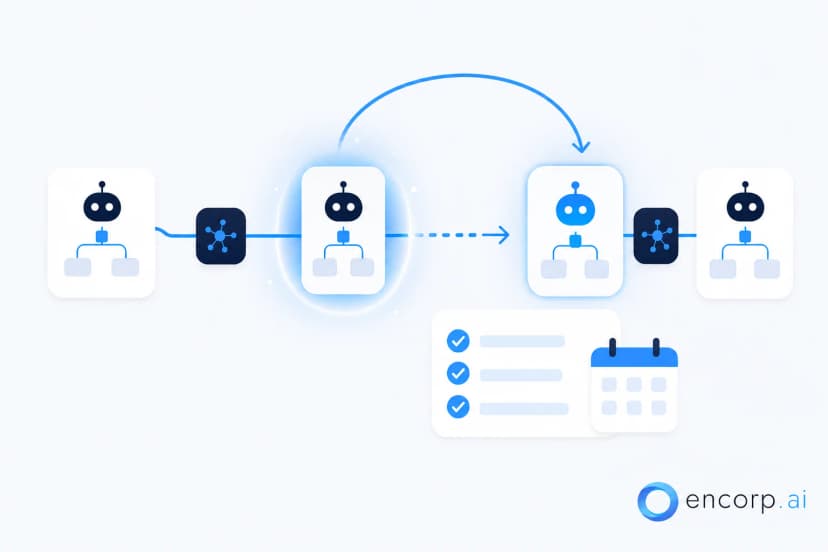
- Comprehensive Functionality: Unlike traditional language models focused on code completion, Devstral functions as a full software engineering agent, handling tasks across files and solving real-world coding issues.
- Performance Efficiency: It scores 46.8% on the SWE-Bench Verified benchmark, leading among open-source models, surpassing some closed models like GPT-4.1-mini.
Impact on Software Development
The introduction of Devstral could significantly impact software development practices, especially for companies looking to enforce efficient AI-driven solutions. Here’s how:
AI Integration
- Agentic Frameworks: Devstral is optimized for use in agentic frameworks such as OpenHands and SWE-Agent, facilitating seamless interaction and task execution.
- Local Deployment: Its architecture allows it to run locally, offering a level of privacy essential for sensitive projects.
Commercial Applications
- Enterprise Friendly: With the Apache 2.0 license, enterprises can incorporate Devstral into proprietary products without worrying about licensing constraints. This opens new avenues for commercial software solutions driven by AI.
Industry Trends and Comparisons
The Rise of Smaller Models
Recent trends indicate a shift towards smaller, more efficient models that can be deployed on less powerful hardware without sacrificing performance. Devstral exemplifies this trend by maintaining high performance standards with fewer resources.
Open Source vs Proprietary Models
The open-source nature of Devstral contrasts with proprietary models, offering greater flexibility for developers and fostering collaboration and innovation within the community.
Expert Insights
Industry experts suggest that models like Devstral could redefine how developers interact with code, potentially leading to new methodologies and best practices in AI-assisted development. Sophia Yang, Mistral's Head of Developer Relations, highlighted the model’s exceptional performance compared to industry standards.
Future Developments
Mistral AI plans to introduce more powerful iterations of Devstral, suggesting a future with even more robust capabilities and applications.
Encorp.ai’s Perspective
At Encorp.ai, we recognize the transformative potential of Devstral in helping companies integrate AI solutions efficiently. Encorp.ai explore our AI solutions could partner with models like Devstral to deliver cutting-edge integrations that empower developers.
Conclusion
Devstral represents a significant advancement in the realm of open-source AI models for software engineering. Its capabilities and open-source license offer considerable opportunities for developers and enterprises. As AI continues to evolve, solutions like Devstral will likely play central roles in bridging the gap between machine learning and practical software development.